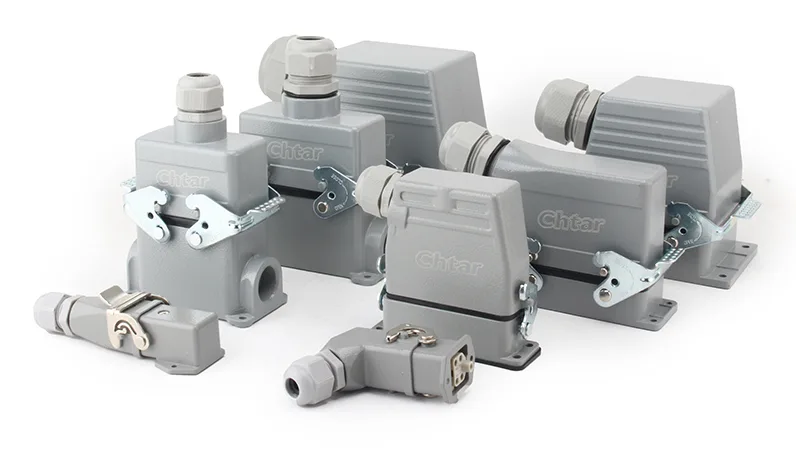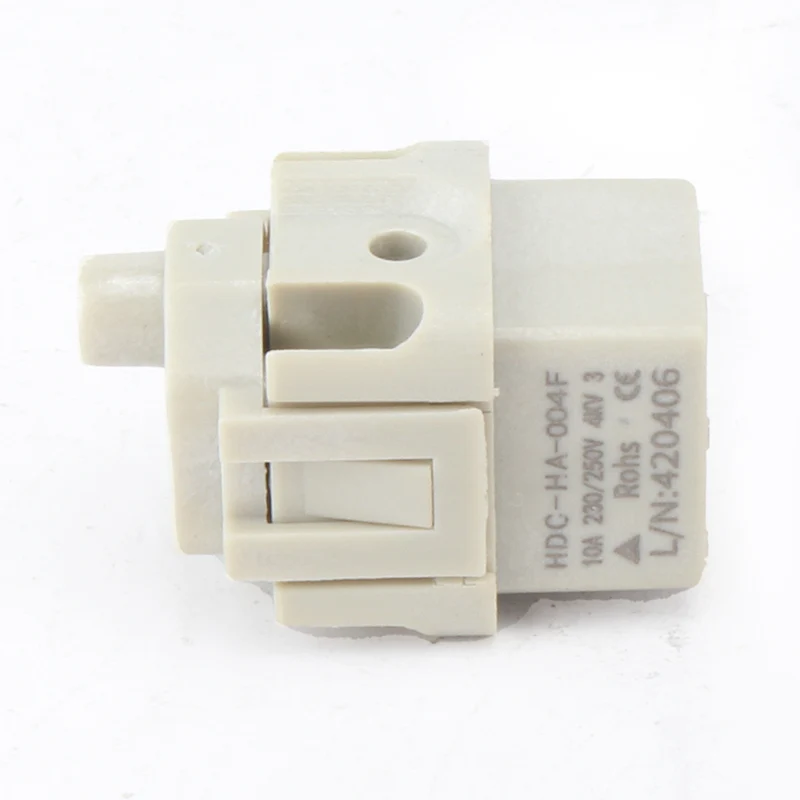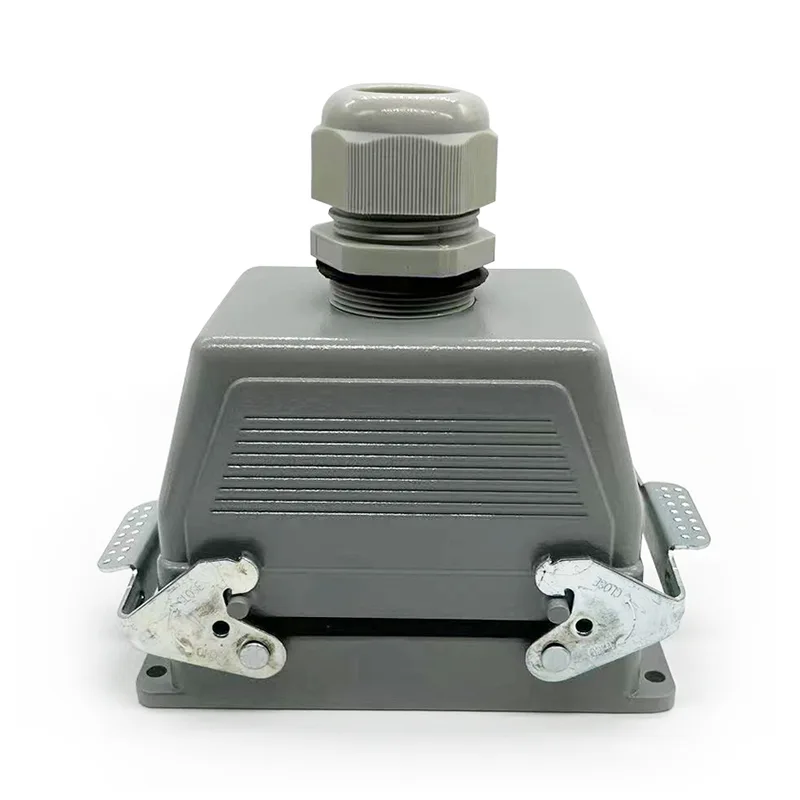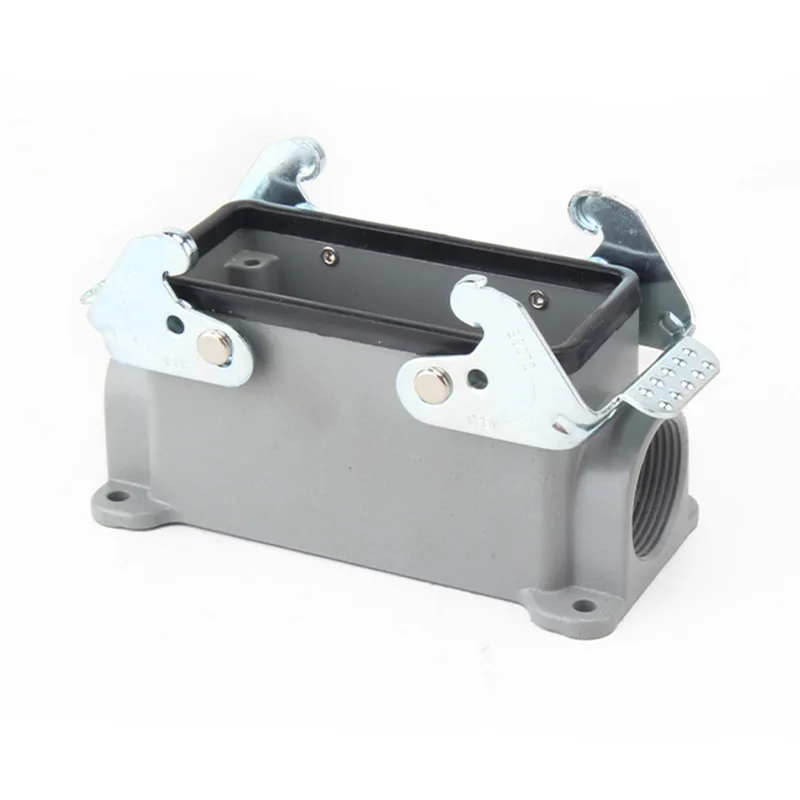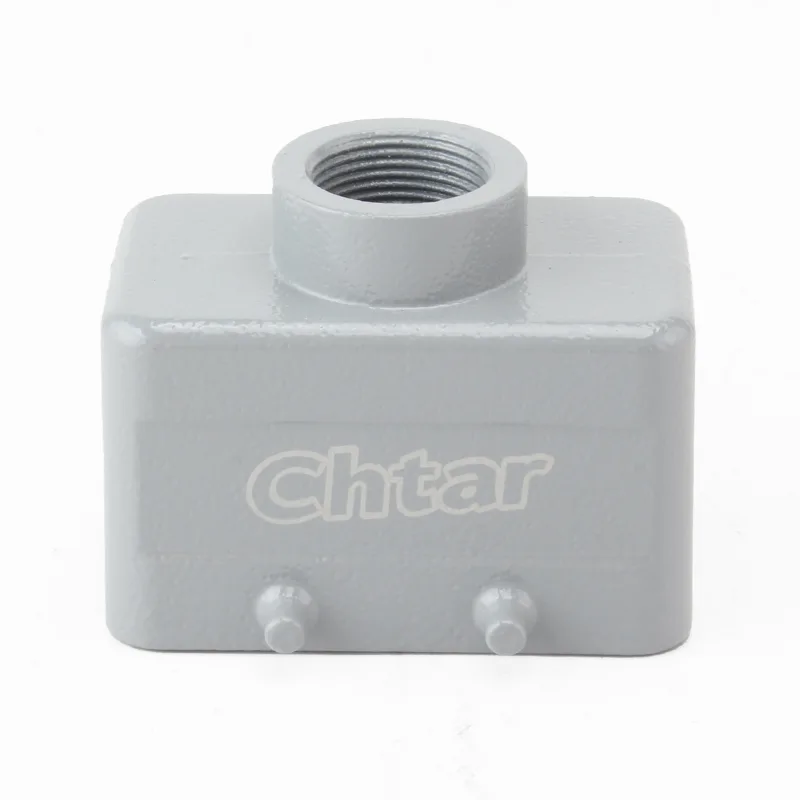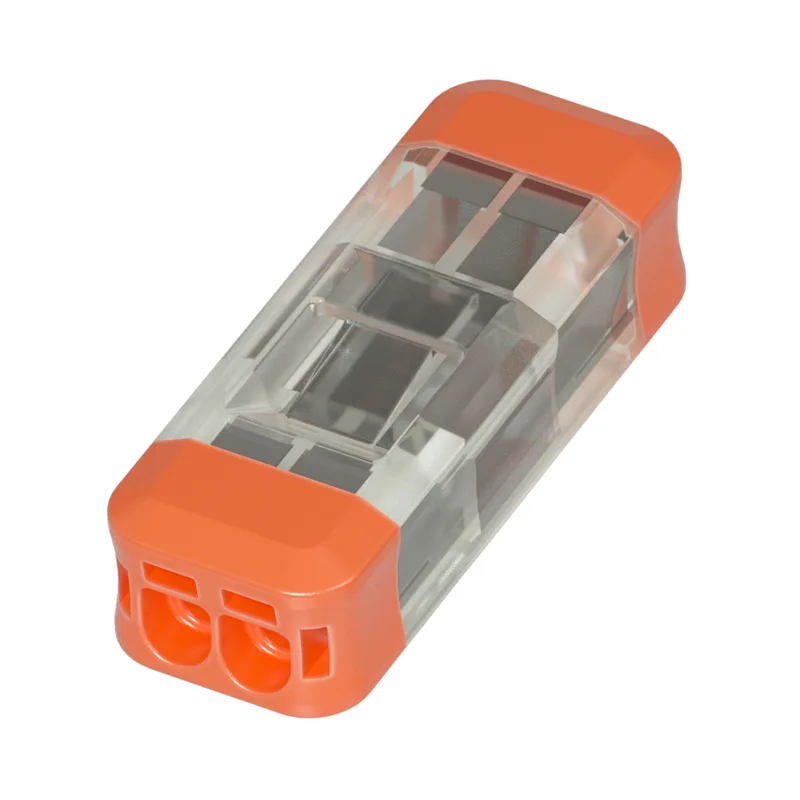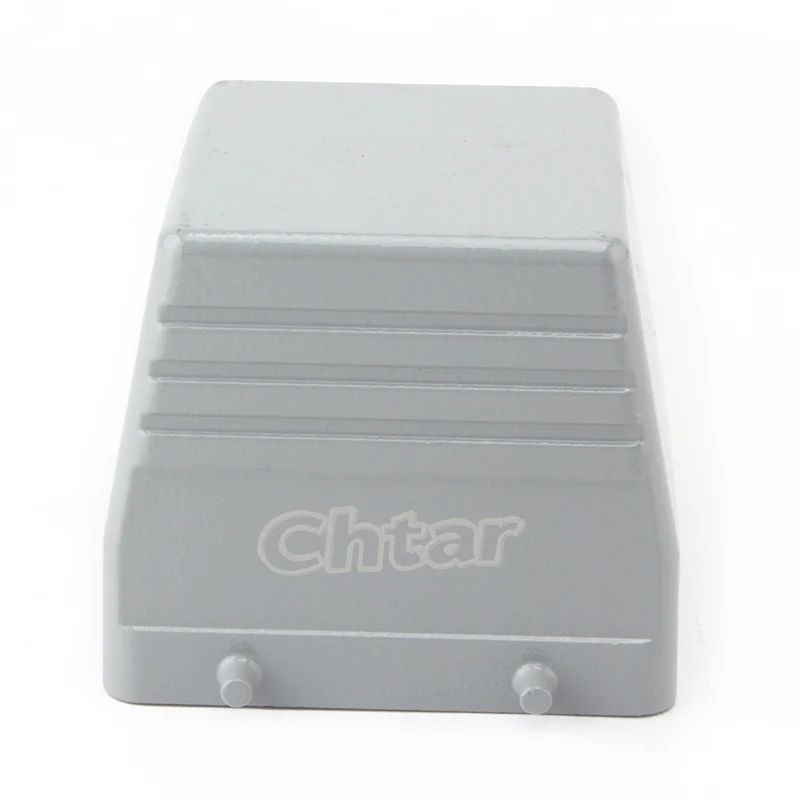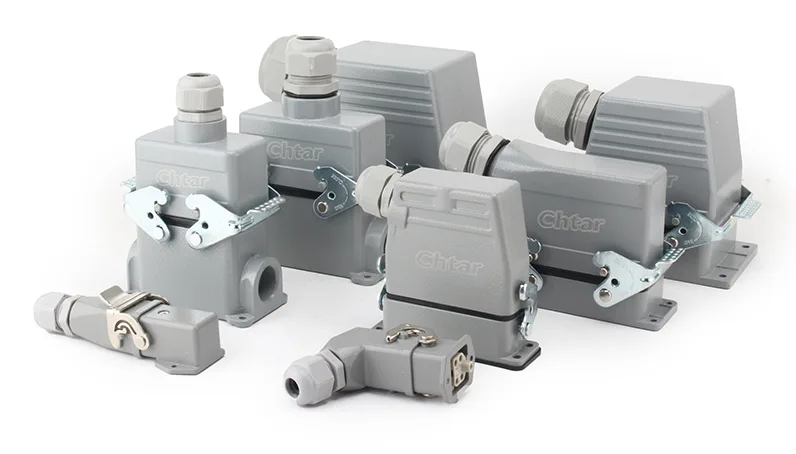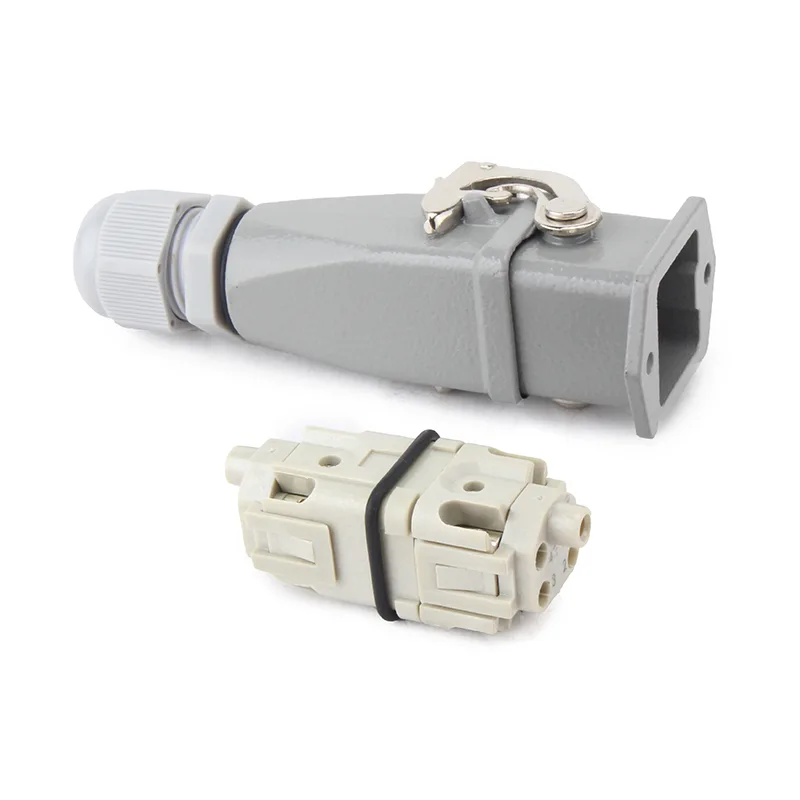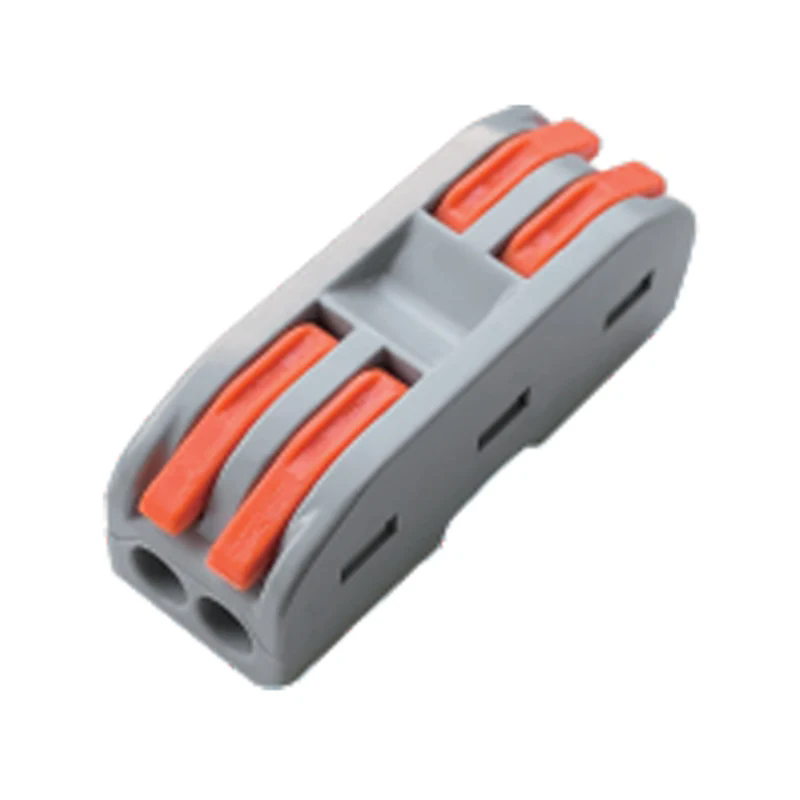
CHTAR Housing Heavy Duty Connectors are developed around practical industrial needs, helping companies evaluate which connector features are necessary and which specifications may add cost without improving actual performance. In many applications, selecting the right protection level and structure is more important than choosing the most complex design available.
Industrial electrical systems are becoming more complex, but connector selection does not always need to follow the trend of adding more functions. Many connection systems operate reliably with carefully matched specifications rather than excessive features.
A heavy-duty connector housing mainly protects internal contacts from mechanical damage, dust, moisture, and environmental stress. The key question is not how many features a connector has, but whether those features solve a real application problem.
For example, equipment installed inside a factory with stable conditions may not require the same housing design used for outdoor machinery exposed to rain, vibration, and temperature changes. Choosing unnecessary protection features may increase costs while providing limited practical value.
Different housing structures are designed for different working environments. Understanding the function of each feature helps avoid unsuitable selections.
| Housing Feature | Purpose | When It Is Needed |
|---|---|---|
| Aluminum Housing | Provides mechanical protection and structural stability | Machinery, automation equipment, industrial control systems |
| Powder-Coated Surface | Improves surface protection and corrosion resistance | Humid workshops or outdoor applications |
| IP65 Protection | Protects against dust and low-pressure water spray | Equipment exposed to environmental contamination |
| Lever Locking System | Ensures secure connection and convenient operation | Systems requiring regular maintenance |
| Flexible Insert Configuration | Supports different contact arrangements | Applications involving power, signal, and data connections |
A suitable connector design combines necessary functions without adding unnecessary complexity.
The housing material directly affects the service conditions of industrial connectors. Aluminum has become a common choice because it provides a balance between mechanical strength, weight, and manufacturing flexibility.
Compared with heavier materials, aluminum housing offers several practical advantages:
For industrial connection systems, these characteristics help maintain stable operation while supporting easier installation and maintenance.
CHTAR uses aluminum raw material with powder coating treatment for its heavy-duty connector housings. The RAL7037 grey finish provides a standardized appearance while improving surface protection in industrial environments.
One of the common challenges in connector selection is paying for features that are not required by the actual operating environment.
A connector used in a clean production area may not need advanced sealing systems designed for extreme outdoor conditions. Similarly, equipment with limited maintenance requirements may not require the same locking structure as frequently disconnected systems.
Before choosing Housing Heavy Duty Connectors, several factors should be reviewed:
The surrounding environment determines the required protection level.
Important considerations include:
For applications requiring wider temperature tolerance, CHTAR heavy-duty connector housings are designed for operating temperatures from -40℃ to +125℃, covering many industrial working environments.
Industrial equipment often experiences vibration, impact, or repeated movement. A strong housing protects internal electrical components from external forces.
However, selecting a heavier structure than necessary may not provide additional value. The housing should correspond to the actual mechanical conditions of the equipment.
The frequency of connection and disconnection also affects connector selection.
Equipment that requires regular inspection or replacement may benefit from convenient locking mechanisms, while permanently installed systems may prioritize compactness and long-term protection.
The development of heavy-duty connectors is shifting toward application-focused designs. Instead of adding unnecessary functions, producers are improving material selection, manufacturing accuracy, and compatibility with different industrial systems.
CHTAR, operated by Yueqing Taer Electric Co., Ltd. in Yueqing, Zhejiang Province, focuses on the research, production, and customization of heavy-duty connectors, quick connectors, waterproof connectors, and related wiring accessories.
Located in an electrical manufacturing cluster known for low-voltage components, the company develops connector solutions with self-produced components and customized configurations. Its heavy-duty connector series supports different insert arrangements, including power, signal, and data connections.
Feature lists alone do not determine whether a connector is suitable. Technical parameters provide a clearer basis for selection.
| Parameter | Selection Consideration |
|---|---|
| Material | Affects strength, weight, and environmental resistance |
| Protection Rating | Determines resistance against dust and water |
| Temperature Range | Defines suitable operating conditions |
| Locking Method | Influences connection stability and maintenance |
| Certification | Confirms compliance with relevant requirements |
CHTAR heavy-duty connectors are produced under an ISO9001 quality management system and include certifications such as CE and RoHS. These standards support consistent production control and application requirements.
Connector selection is ultimately about matching product specifications with actual operating conditions. A higher number of features does not always mean better performance if those features are unrelated to the application.
By evaluating environmental exposure, mechanical requirements, maintenance frequency, and electrical configuration, companies can avoid unnecessary costs while maintaining reliable connections.
For industrial wiring applications, CHTAR Housing Heavy Duty Connectors provide a practical approach based on aluminum housing construction, protective design, and flexible configuration options, helping users select connector solutions according to real operational requirements rather than unused specifications.