


CHTAR UK 50N Din Rail Terminal Block reflects the growing demand for compact and organized power distribution systems in modern electrical panels. As industrial equipment becomes smaller and more integrated, engineers are paying more attention to space utilization, wiring efficiency, and connection reliability rather than simply increasing cabinet size.
Compact Power Distribution Becomes a Key Trend in Electrical Panels
Industrial control cabinets have changed significantly in recent years. Automation systems, sensors, communication modules, and power components are being integrated into smaller spaces, creating new challenges for internal wiring layouts.
Traditional wiring methods often require more space, longer cable routes, and additional connection points. DIN rail terminal blocks have become an important part of modular electrical design because they allow different circuits to be arranged in a structured way on standard mounting rails.
The shift toward compact power distribution is not only about reducing physical dimensions. It is also related to:
- Simplifying cable management.
- Improving maintenance visibility.
- Reducing wiring errors.
- Making future system upgrades easier.
For many industrial applications, a well-organized connection system can improve the overall design of the electrical cabinet without requiring larger enclosures.
Why Space Efficiency Matters in Modern Control Cabinets
Space inside an electrical cabinet is limited. With more components being installed in automation systems, every mounting position needs to be used effectively.
A compact terminal block design helps engineers arrange power connections closer together while keeping individual circuits clearly separated.
| Traditional Wiring Challenge | Compact Distribution Approach |
|---|---|
| Large wiring space requirement | Higher connection density |
| Complex cable routing | More organized cable arrangement |
| Difficult maintenance access | Clearer circuit identification |
| Limited cabinet expansion space | Easier modular additions |
The use of DIN rail systems allows terminal blocks, circuit protection devices, and control components to share a standardized mounting structure. This creates a more flexible approach for different electrical layouts.
Understanding the Role of UK 50N Din Rail Terminal Block
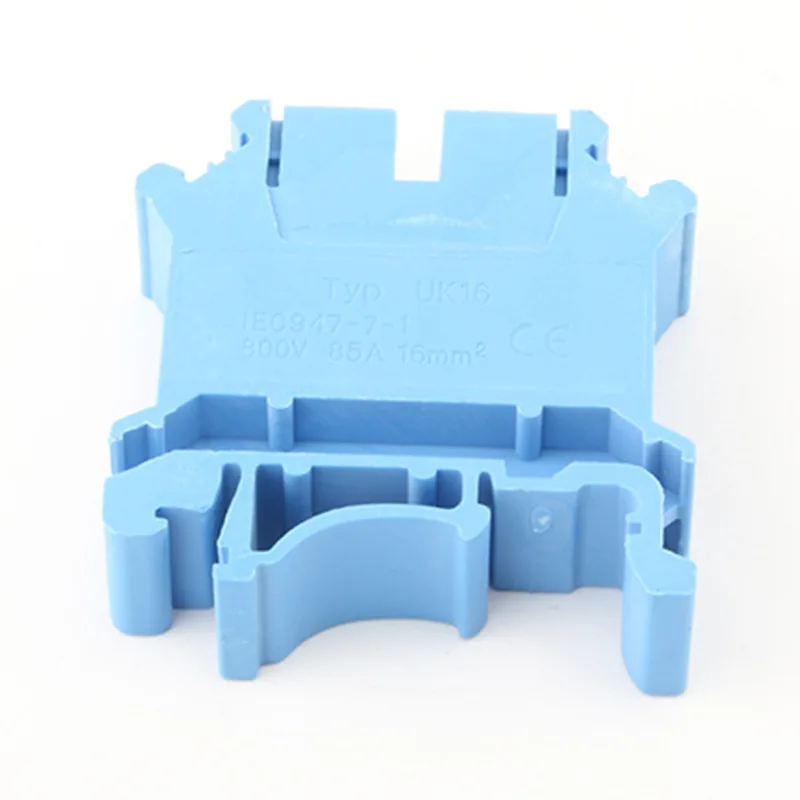
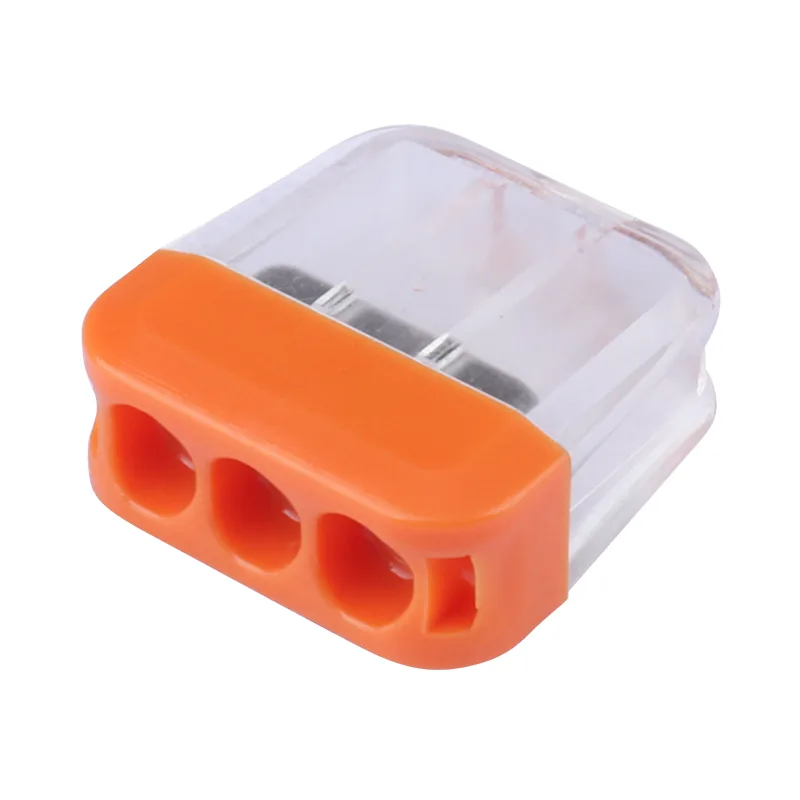
The UK 50N Din Rail Terminal Block is designed for industrial wiring applications where stable electrical connections and efficient panel organization are required.
Unlike simple connection points, modern terminal blocks must consider several factors:
- Current carrying requirements.
- Wire compatibility.
- Installation convenience.
- Long-term mechanical stability.
The UK series design concept focuses on modular installation, allowing multiple terminal blocks to be arranged according to circuit requirements. This type of structure is commonly used in control cabinets, distribution systems, automation equipment, and electrical panels.
A compact terminal block does not mean reducing functionality. Instead, it focuses on providing necessary connection performance within a smaller installation footprint.
The Balance Between Compact Design and Electrical Safety
Reducing cabinet size requires careful consideration. Smaller components must still maintain sufficient insulation distance, mechanical strength, and reliable contact performance.
A practical terminal block design usually includes:
| Design Factor | Importance |
|---|---|
| Insulation Material | Helps maintain electrical separation between circuits |
| Terminal Structure | Determines connection stability |
| Mounting Method | Ensures secure installation on DIN rails |
| Identification System | Supports easier maintenance and troubleshooting |
Compact distribution systems are increasingly used because they provide a balance between saving space and maintaining safe electrical organization.
How Industrial Applications Are Changing Terminal Block Selection
Different industries have different requirements for electrical connection systems. The selection of terminal blocks is becoming more application-focused rather than based only on basic specifications.
Automation Equipment
Factory automation systems often include PLCs, sensors, actuators, and control modules. These systems require organized wiring because frequent maintenance and upgrades are common.
Compact terminal blocks help separate different signal and power circuits, making troubleshooting easier.
Energy and Electrical Infrastructure
Renewable energy equipment, charging systems, and power management devices require reliable internal connections. Compact distribution components help optimize the limited space inside control cabinets and electrical enclosures.
Machinery Manufacturing
Industrial machines often combine multiple electrical functions within a single enclosure. A modular DIN rail arrangement allows designers to adjust wiring layouts according to machine configuration.
Manufacturing Development Behind Modern Terminal Blocks
The development of terminal blocks is also influenced by improvements in electrical component manufacturing. Companies are focusing on more accurate processing, consistent material selection, and flexible production methods.
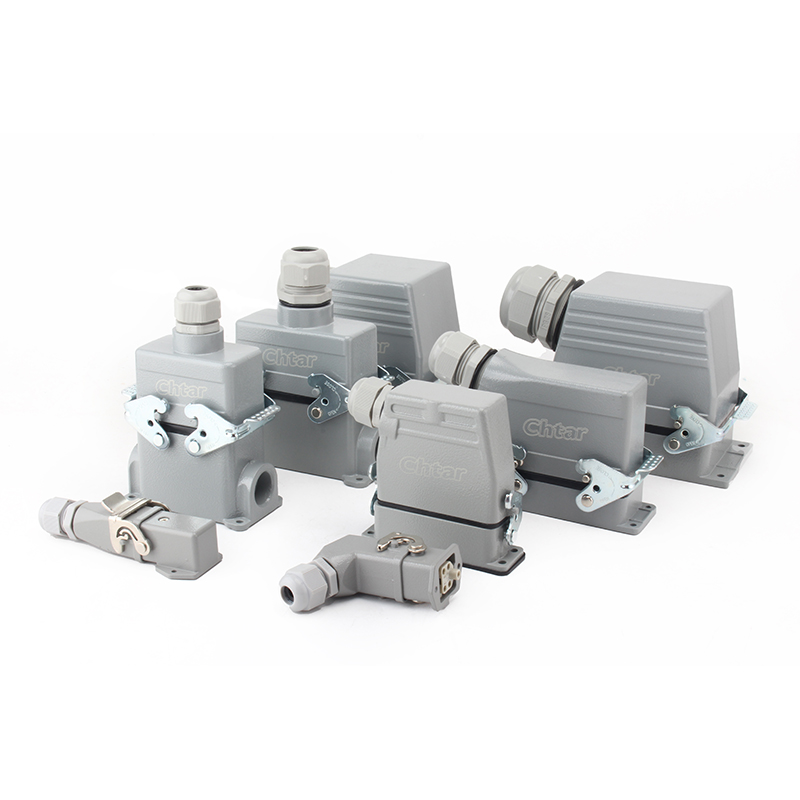
CHTAR, operated by Yueqing Taer Electric Co., Ltd., is located in Yueqing, Zhejiang Province, an area recognized for low-voltage electrical component production. Since its establishment in 2017, the company has focused on terminal blocks, heavy-duty connectors, waterproof connectors, and related wiring accessories.
The company’s production scope covers research, development, manufacturing, and service for different wiring components. Its terminal block products are developed for various electrical connection requirements, including industrial control and power distribution applications.
Important Factors When Evaluating Compact Terminal Blocks
Choosing a compact terminal block requires more than checking physical size. Electrical and environmental conditions should also be considered.
| Evaluation Point | Reason |
|---|---|
| Rated Current | Determines whether the terminal can support the required electrical load |
| Wire Range | Ensures compatibility with different cable sizes |
| Mounting Compatibility | Confirms integration with existing DIN rail systems |
| Operating Environment | Determines suitability for temperature, dust, or moisture conditions |
| Certification Requirements | Supports compliance with regional electrical standards |
The trend toward compact power distribution does not mean every application needs the smallest possible component. The right choice depends on balancing available space, electrical requirements, and future maintenance needs.
The Future Direction of Modular Power Distribution
As industrial systems continue moving toward automation and higher component density, compact electrical layouts will remain an important design consideration.
DIN rail terminal blocks provide a standardized method for organizing connections, helping electrical systems become more structured and easier to maintain. The development of products such as the UK 50N Din Rail Terminal Block represents this industry movement toward efficient space utilization and practical modular design.
CHTAR continues to develop terminal block solutions based on industrial wiring requirements, with attention to compact structure, connection organization, and application flexibility. As electrical panels become more integrated, efficient power distribution designs will continue to influence the next generation of industrial connection systems.