News

How Does a Spring Din Rail Terminal Block Improve Electrical Connectivity?

2026-05-09 0 Leave me a message

Article Summary: Spring Din Rail Terminal Blocks are revolutionizing the way electrical connections are made in industrial and commercial environments. They provide reliable, maintenance-free connections while saving installation time and ensuring safety. This article explores what spring terminal blocks are, how they work, why they are preferred over traditional screw terminal blocks, and how they can solve common wiring issues.

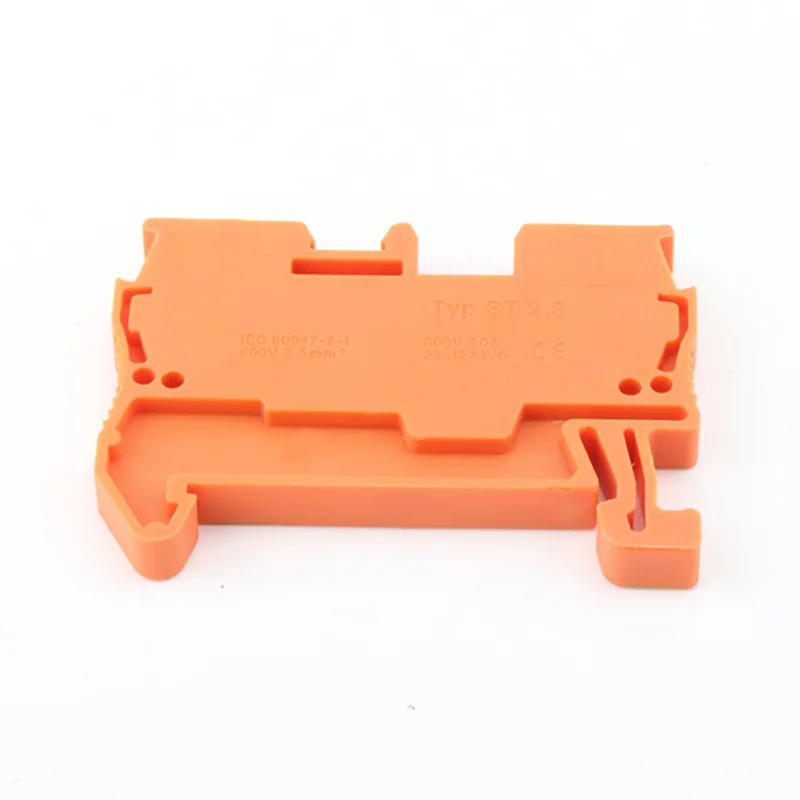
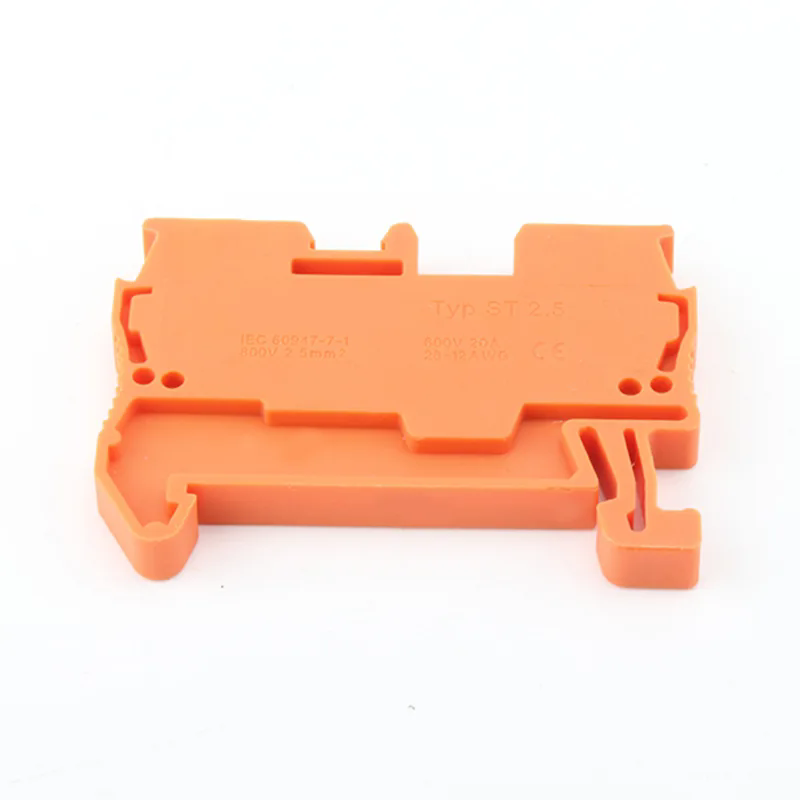
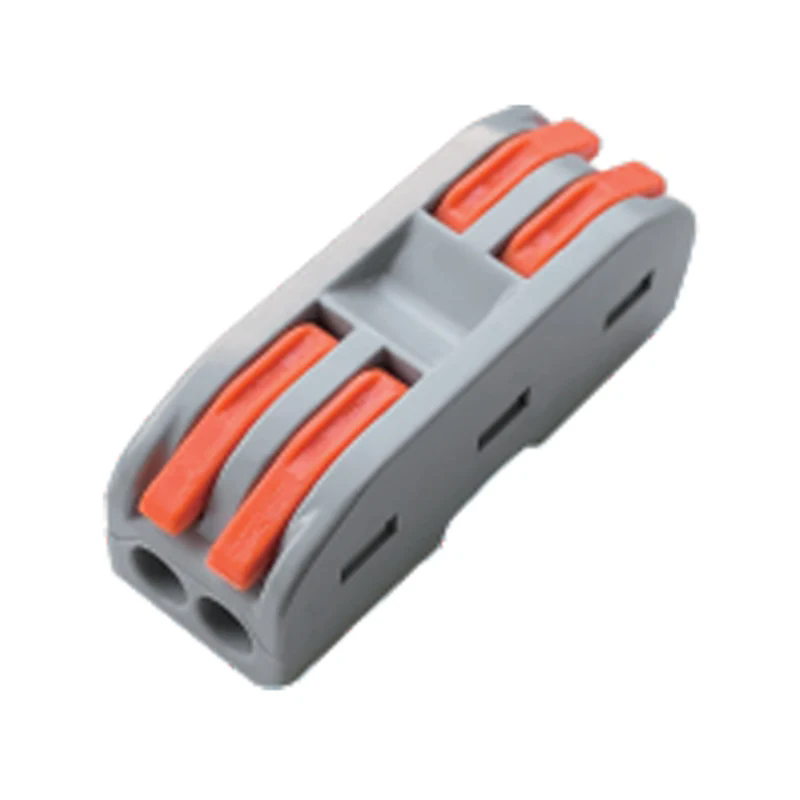
ST 2.5 Spring Din Rail Terminal Block

Table of Contents


What is a Spring Din Rail Terminal Block?

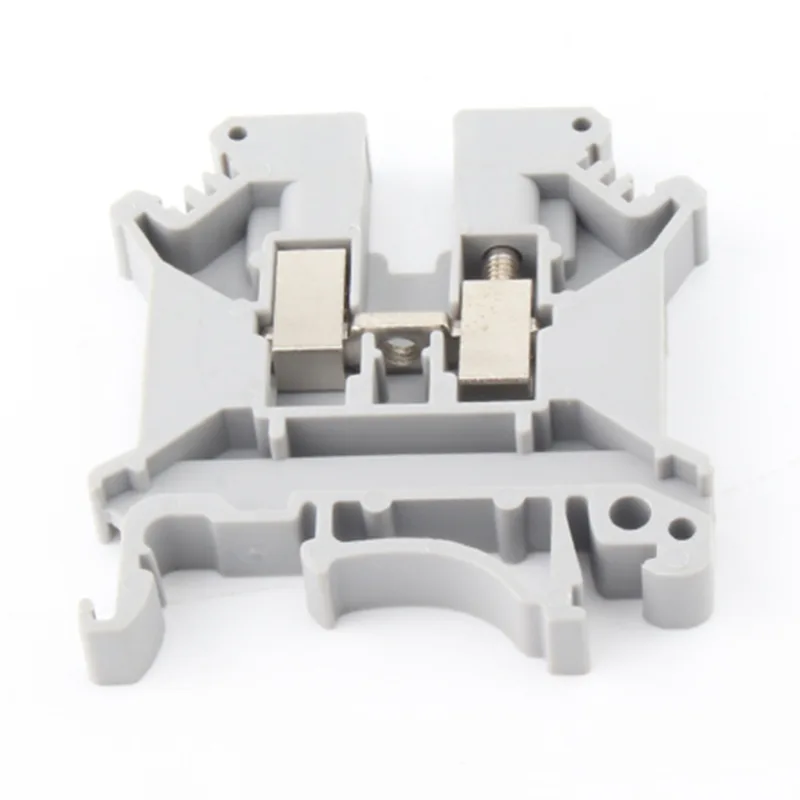
Spring Din Rail Terminal Blocks are compact electrical components designed to provide secure, vibration-resistant connections for wires in electrical panels. Unlike traditional screw-type terminal blocks, they use a spring mechanism to hold wires in place, ensuring a stable connection without the need for periodic tightening.

  • Material: High-quality, flame-retardant polyamide housing
  • Conductors: Copper or tin-plated copper for optimal conductivity
  • Mounting: Snap-on DIN rail installation for fast and standardized assembly

How Does it Work?

Spring Din Rail Terminal Blocks operate with a simple yet highly effective clamping mechanism:

  1. Insertion: Strip the wire and insert it into the terminal slot.
  2. Spring Action: The internal spring automatically clamps down on the wire, ensuring a solid electrical connection.
  3. Vibration Resistance: The spring maintains constant pressure, preventing loosening due to vibrations or thermal cycling.

This design eliminates the need for screws, reduces installation time, and minimizes maintenance costs.


Advantages of Spring Terminal Blocks

Spring Din Rail Terminal Blocks offer multiple benefits for electrical engineers and panel builders:

Feature Benefit
Tool-free Installation Reduces assembly time and labor costs
Vibration Resistance Maintains stable connections in industrial environments
Maintenance-Free No periodic tightening required
Compact Design Saves space in electrical panels
High Electrical Performance Ensures reliable conductivity and minimal voltage drop

Applications in Industry

Spring Din Rail Terminal Blocks are widely used across multiple sectors due to their reliability and ease of use:

  • Industrial Automation: PLC panels, control cabinets, and machinery wiring
  • Renewable Energy: Solar inverters, wind turbine control systems
  • Railway and Transportation: Vibration-resistant connections in trains and metros
  • Building Automation: HVAC systems, lighting controls, and smart building networks

Installation and Maintenance Guide

Using Spring Din Rail Terminal Blocks is simple but requires careful handling for optimal performance:

  1. Choose the correct wire size according to the terminal specifications.
  2. Strip the insulation to the recommended length.
  3. Insert the wire into the terminal; the spring mechanism automatically secures it.
  4. Verify the connection by gently pulling the wire to ensure it is firmly clamped.
  5. Regularly inspect for dust or debris; clean if necessary, though maintenance is minimal.

Following these steps ensures a long-lasting, reliable connection for any application.


Spring vs Screw Terminal Blocks

Criteria Spring Terminal Block Screw Terminal Block
Installation Speed Fast, tool-free Slower, requires screwdriver
Maintenance Minimal Periodic tightening required
Vibration Resistance Excellent Moderate
Space Efficiency Compact Larger footprint
Cost Higher initial cost, lower long-term cost Lower initial cost, higher maintenance cost

Frequently Asked Questions

Q1: Can I use spring terminal blocks for all wire types?
A: They work best with solid and finely stranded wires. Always check the terminal specifications for compatibility.
Q2: Are spring terminal blocks safe in high-vibration environments?
A: Yes, the spring mechanism ensures the wire remains firmly connected even under strong vibrations.
Q3: How long do spring terminal blocks last?
A: With proper installation, they can last for decades without maintenance, significantly longer than screw terminals.
Q4: Can I replace a spring terminal block without rewiring the entire panel?
A: Yes, individual blocks can be replaced easily due to the modular DIN rail design.

Contact CHTAR

CHTAR is committed to providing high-quality Spring Din Rail Terminal Blocks to meet your industrial connectivity needs. Our products are designed to reduce installation time, improve reliability, and enhance electrical safety. If you want to upgrade your electrical panels with our reliable spring terminal solutions, contact us today and let our experts help you choose the perfect solution for your application.

Related News
Leave me a message
X
We use cookies to offer you a better browsing experience, analyze site traffic and personalize content. By using this site, you agree to our use of cookies. Privacy Policy
Reject Accept