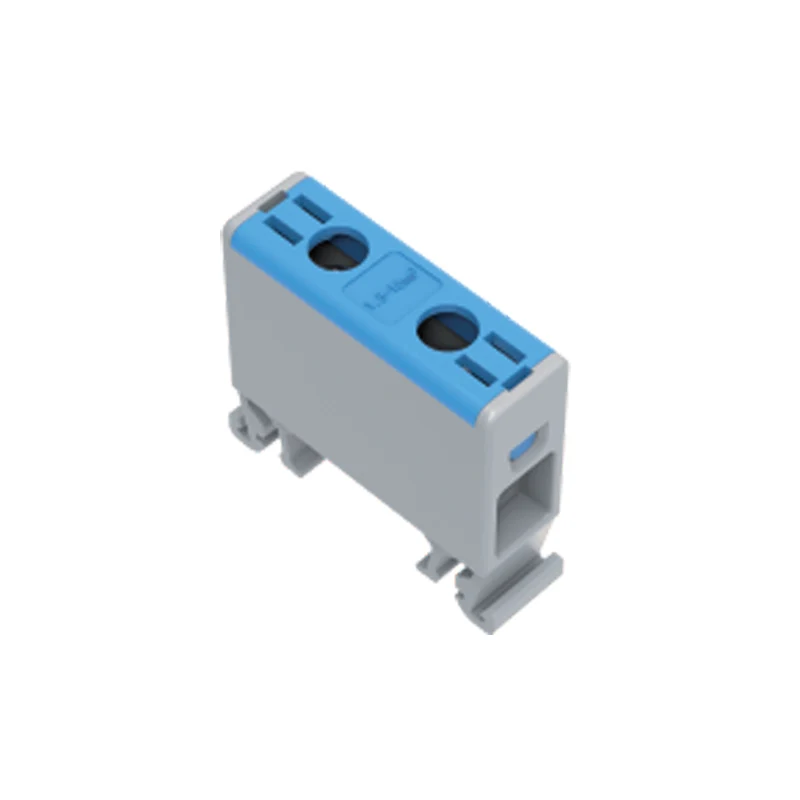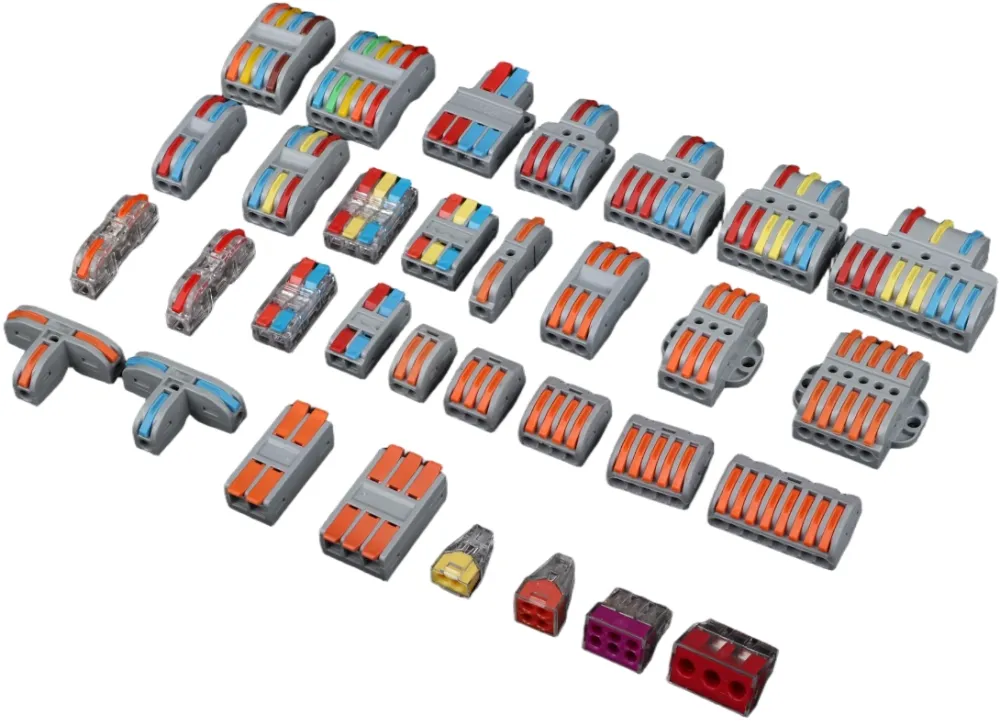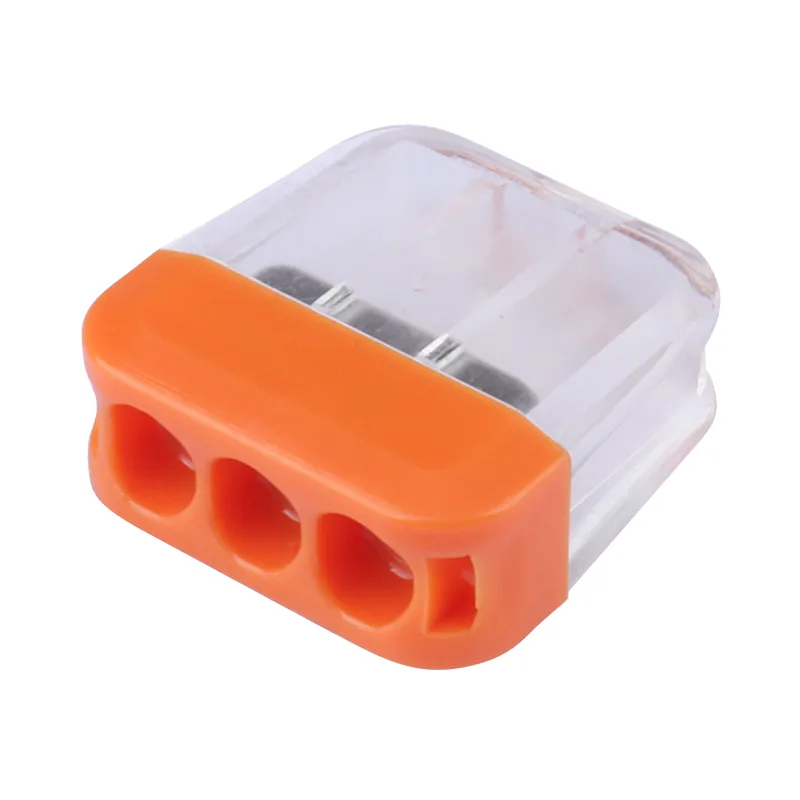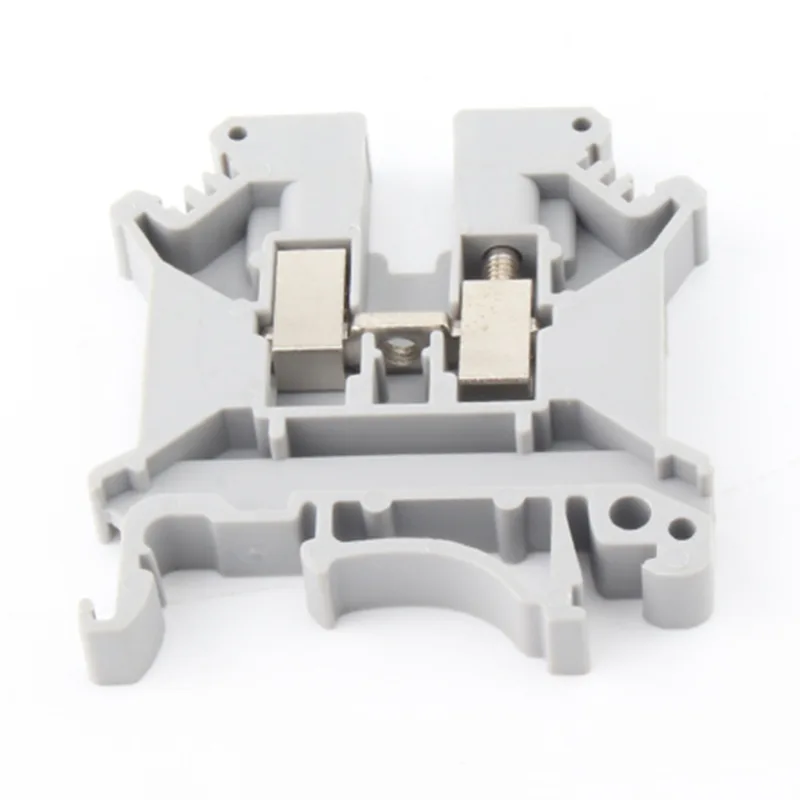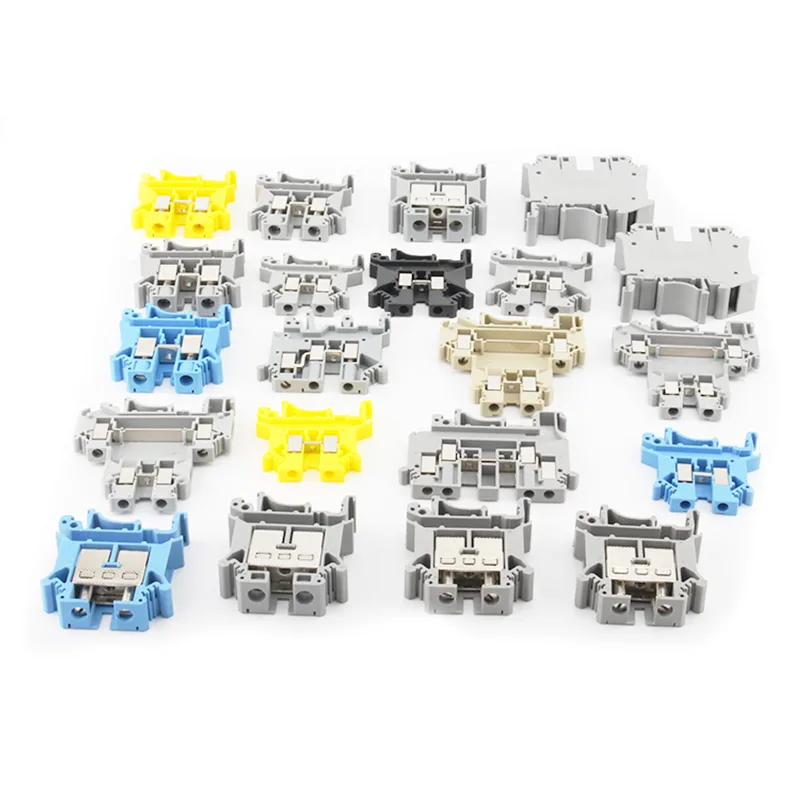
A European connection technology specialist has taken a notable step in demonstrating the speed advantages of its snap-in connection technology by setting an official GUINNESS WORLD RECORDS title. A team at the company's headquarters wired 500 terminal blocks with 1,000 connection points in a verified time of 2 minutes and 55 seconds, earning the record for "Fastest Time To Connect 500 Terminal Blocks Into A Single Chain By A Team." The attempt was overseen by an official Guinness World Records adjudicator.
The snap-in mechanism uses a preloaded spring that releases when a stripped wire reaches the trigger point, securing the connection automatically with visual confirmation via a green pusher and an audible click. The manufacturer claims the technology can reduce wiring time by up to 75% compared to conventional methods. Beyond the record, the company has designed its snap-in terminal blocks with contours suitable for robotic gripping and mounting, positioning the product line for automated control cabinet assembly.
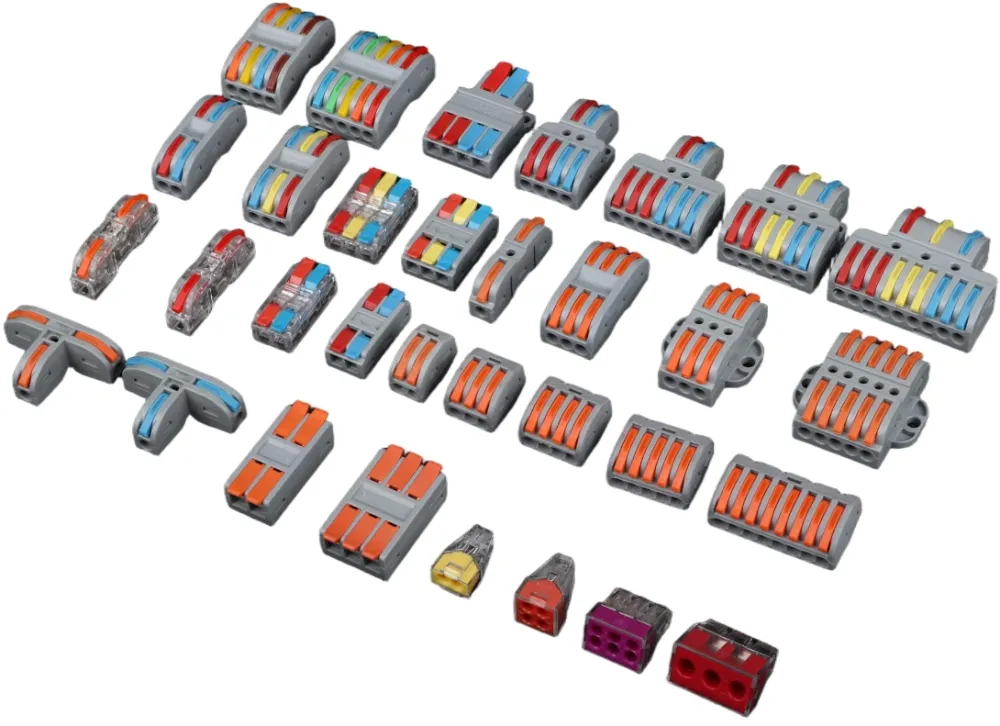
The broader push-in wire connector market continues to expand, with market research estimating a global revenue of approximately 1.9 billion yuan in 2024, projected to reach nearly 2.47 billion yuan by 2031 at a compound annual growth rate of 3.8%. Building installation wiring accounts for the largest application share at roughly 32%, followed by lighting fixtures at 27%. The competitive landscape includes several established connector producers, with the top three collectively holding approximately 50% of market share.
Industry analysis suggests that manufacturers are prioritizing innovation in smaller, more versatile connectors with integrated diagnostic capabilities, while also expanding into high-growth sectors such as renewable energy, electric vehicles, and smart building systems. Raw material cost volatility—particularly for copper and high-grade plastics—remains a constraint, alongside competition from lower-cost traditional wiring solutions.
The trajectory for fast wire terminals in late 2026 points toward convergence of three trends: tool-free connection mechanisms that reduce installation labor, density improvements that support miniaturized electronics, and design features that enable automated assembly. The push-in and twin design approaches, lever-based field wiring, and snap-in automation readiness each address distinct segments of the same underlying demand—faster, more reliable connections with fewer process variables. As panel builders and device manufacturers face persistent skilled labor shortages and pressure to shorten build cycles, these technologies are positioned to move from niche offerings to mainstream specification.